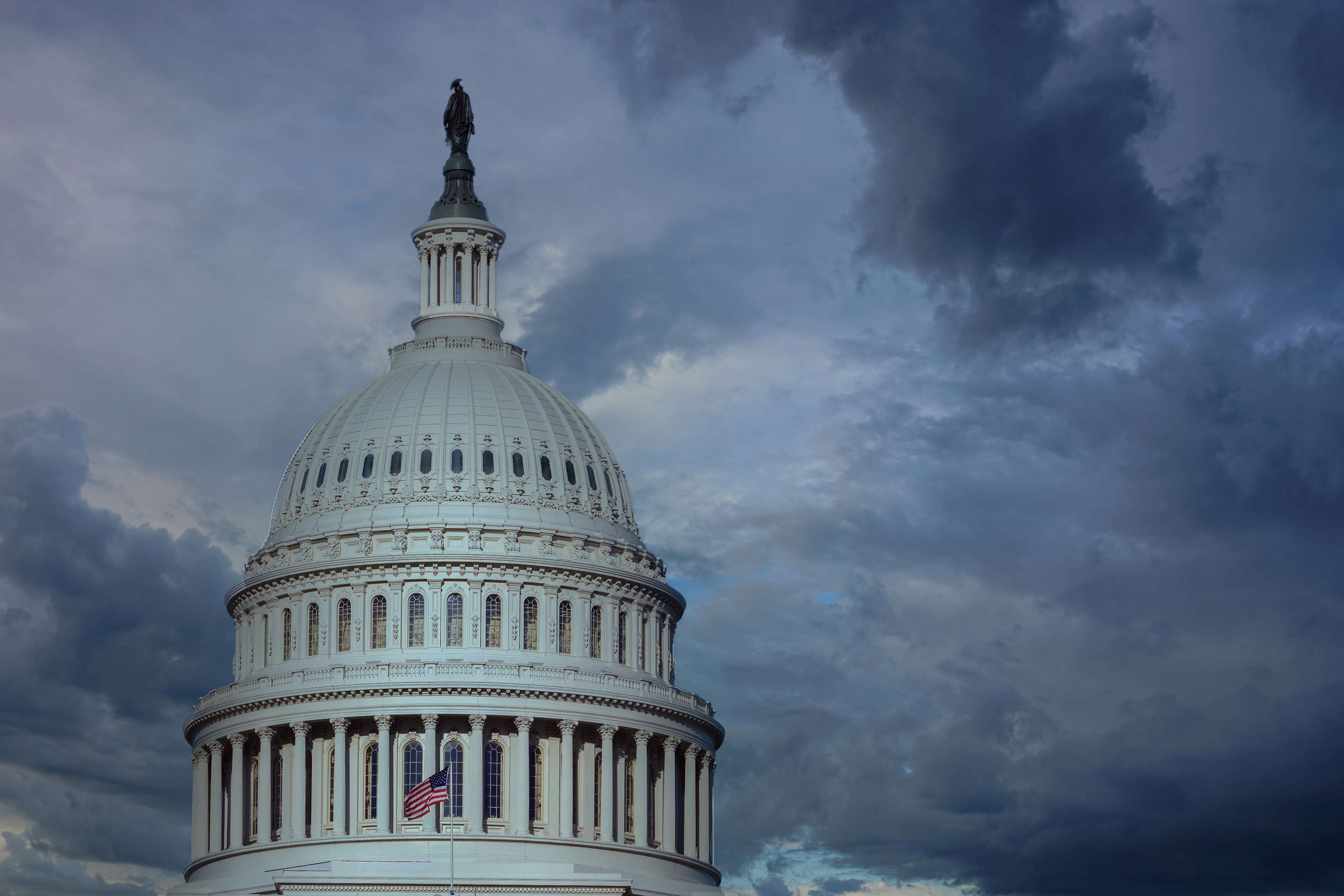
With the federal government now in a shutdown, many in the industry are asking what this means for GSE and HUD lending—and for the broader capital markets.
To provide clarity, we’ve outlined key implications below for both agency lending operations and overall market conditions.
Key Facts about the shutdown
Essential functions continue:
Critical federal services, including Medicare, Social Security, and active military operations, remain operational.
GSE markets:
Fannie Mae and Freddie Mac are not dependent on annual appropriations and remain fully active. Both continue to price and close multifamily deals, with a focus on mission-driven and affordable housing lending.
HUD operations:
FHA-insured multifamily and healthcare programs remain open, but processing may slow as non-essential staff are furloughed. HUD is actively processing loans that have existing Firm Commitments, but will not process new applications until the shutdown ends.
Economic impact:
According to the Congressional Budget Office, GDP may decline by approximately 0.1% per week during a shutdown, though much of that activity is typically recovered once the government reopens.
HUD & GSE market perspective
HUD resilience:
Like prior shutdowns, HUD multifamily lending is expected to slow but not stop. Fewer HUD employees for this shutdown are considered “essential.” As an example, in previous shutdowns, the Office of General Counsel was considered essential, but that is not the case this time. This is causing greater delays than in previous years, but the pipeline is moving. We expect essential staff to continue to process loans on a reduced schedule, ensuring critical deals in the pipeline move.
GSE Liquidity:
Fannie Mae and Freddie Mac remain the anchors of multifamily capital markets. The FHFA’s 2025 cap of $73 billion per GSE continues to provide liquidity to conventional, workforce, and affordable housing across the country.
Debt Pricing:
Recent executions remain competitive—both GSEs are providing competitive rates relative to other capital market executions, as reflected in Freddie Mac’s benchmark bond spreads being near their lowest level since the start of 2022- stabilized and near-stable asset—all-in coupons are flat since the government shutdown.
Contrast to banks:
With many banks still operating under tighter credit standards, the agencies continue to offer reliable liquidity and long-term rate certainty.
Implications of a U.S. government shutdown — Quick read
1) What happens to bond yields?
The first reaction is typically risk-off. Investors move into Treasuries and yields dip modestly. The bigger factor is the data gap with Bureau of Labor Statistics (BLS) and Bureau of Economic Analysis (BEA) reports paused, which raises uncertainty and can cause short-term volatility in rate expectations.
2) What does the forward curve look like?
With fewer data points, markets rely on prior assumptions. The front end may flatten slightly as investors price in policy caution, while the long end remains driven by inflation and growth expectations. Historically, these curve changes are temporary unless the shutdown is prolonged.
3) What happens to debt and equity markets?
Shutdowns tend to have short-lived market impact. Sectors tied to federal spending (contractors, infrastructure, or permitting) may feel pressure, while others remain stable. The lack of economic data can amplify day-to-day volatility, but long-term fundamentals typically prevail.
4) When does the shutdown become a real pain point?
The strain usually surfaces after two weeks, when federal employees miss their first paycheck, dampening local spending and services. If prolonged, the GDP drag compounds, with past estimates suggesting billions in weekly losses.
5) What happens with government assistance and Housing Assistance Payment (HAP)/Section 8 payments? Are they sent?
- Short-term: Most Public Housing Agencies (PHAs) and owners can continue payments using previously obligated funds, so HAP checks generally continue initially.
- If prolonged (30+ days): The risk of delays or deferrals increases. Renewal processing and disbursements may pause until appropriations resume, as seen in the 2018–2019 shutdown.
- Key Point: If a property is sold or ownership transferred, the approval of the assignment of the HUD insured loan or the Section 8 contract is not considered essential and would not be completed until the shutdown ends.
6) When rents are due, what are the implications for Affordable Housing?
- Tenant portion: Residents remain responsible for paying their share.
- Subsidy portion: If government payments lag, owners may face temporary cash flow strain. Typical mitigants include property reserves, lender coordination, and proactive communication with PHAs and HUD.
How we’re advising clients
- Track duration: The market impact scales with time. The first missed pay cycle is a key inflection point.
- Watch the data calendar: With suspended reports, pricing may react more sharply to private data and market sentiment.
- Affordable/Section 8 operators: Review reserve positions, maintain communication with lenders, and monitor HUD/USDA notices for updates on payment timing.
- Prospective HUD Borrowers: HUD applications will be processed in the order in which they are received once the government shutdown is over. The Walker & Dunlop team will be submitting deals under application as quickly as possible to be at the front of that queue.
Why this matters
While a shutdown can temporarily disrupt operations, HUD and GSE channels continue to provide reliable capital for multifamily transactions. For owners and developers, this means:
- Stable access to debt for both refinancing and new construction.
- Attractive long-term rates via HUD executions.
- Mission-aligned capital from the GSEs for affordable and workforce housing.
In our view, the shutdown represents more of an operational headline than a capital markets event. HUD and the agencies remain pillars of liquidity, and borrowers with well-structured deals should continue to find favorable financing opportunities.
If you’d like to discuss how this environment may affect your pipeline or strategy, please reach out to your Walker & Dunlop team.
Trending
Related insights & perspectives
News & Events
Find out what we’re doing by regularly visiting our news & events page.
Walker Webcast
Gain insight on leadership, business, the economy, commercial real estate, and more.