Read time:
5 mins
When people talk about America's housing shortage, the conversation often focuses on affordability. But for millions of adults with intellectual and developmental disabilities (IDD), the challenge extends far beyond finding an affordable place to live.
Housing for this large, underserved population must be accessible, connected to services, and designed to support residents with varying cognitive, sensory, and developmental needs. As developers, housing providers, and capital partners look for opportunities to create lasting impact, neuro-inclusive affordable housing presents an opportunity to address one of the most significant unmet needs in the housing market today.
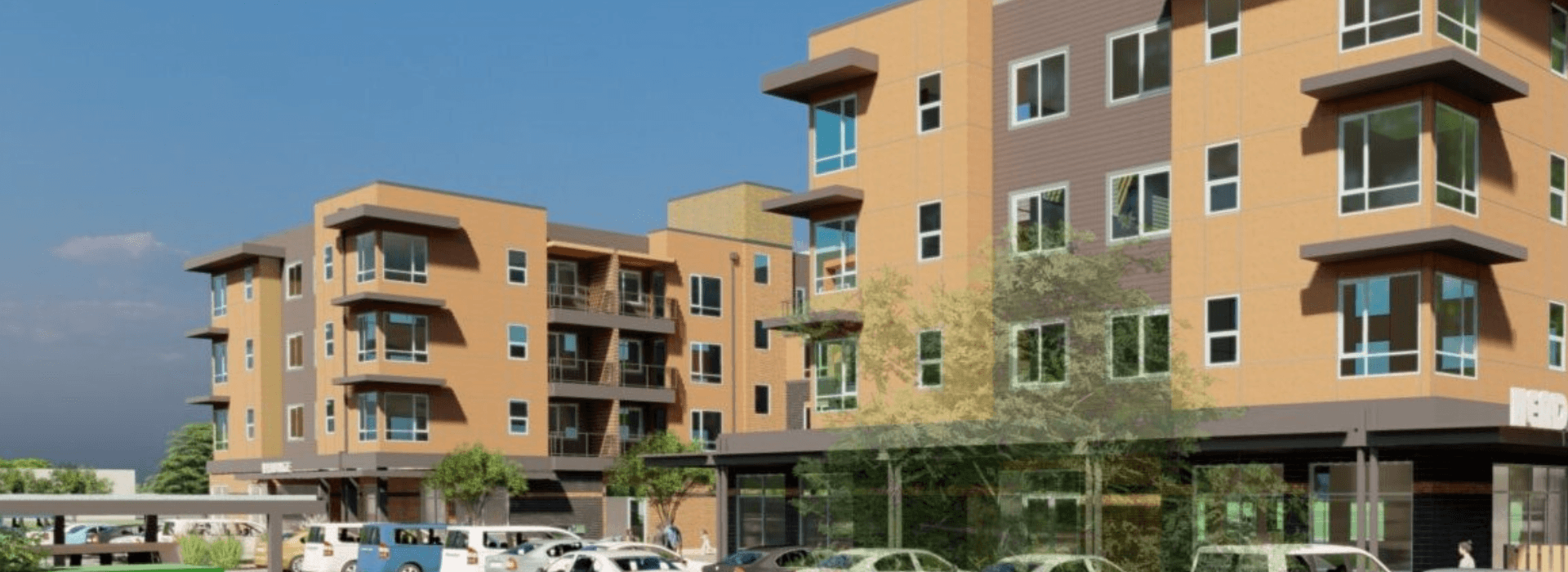
A recent example is Verrbena, a 70-unit affordable housing community in Westminster, Colorado, for which Walker & Dunlop arranged a $16.7 million 4 percent Low-Income Housing Tax Credit (LIHTC) equity syndication on behalf of Maiker Housing Partners. The development includes a neuro-inclusive housing component designed to serve residents with intellectual and developmental disabilities while providing long-term affordability and access to community amenities.
While projects like Verrbena represent important progress, they also highlight the scale of the remaining challenge.
The growing housing gap for adults with IDD
An estimated 8.56 million people in the United States are living with intellectual and developmental disabilities, including approximately 2.25 million adults. At the same time, an estimated 5.44 million adults in the U.S. are living with autism spectrum disorder.
Despite these numbers, independent living remains out of reach for many individuals. Among people with IDD receiving long-term supports and services, 61 percent live with family members, while only 11 percent live in their own homes.
For many families, housing is not simply a matter of preference. Parents and caregivers often become the primary housing and support system for decades. The challenge becomes even more urgent as caregivers age. Many people with disabilities live with caregivers who are age 60 or older, creating a risk of housing instability when those caregivers can no longer provide support.
This dynamic is often referred to as the "caregiver cliff," a reality facing thousands of families across the country.
Affordability remains a significant barrier
Housing affordability challenges are particularly acute for individuals who rely on Supplemental Security Income (SSI) and other forms of public assistance.
More than 3 million non-institutionalized people with disabilities who rely on SSI have average annual incomes of approximately $11,604, leaving many priced out of rental housing markets nationwide.
These individual challenges exist within a broader housing shortage. The National Low Income Housing Coalition's 2025 Gap Report found a national shortage of 7.1 million affordable and available rental homes for extremely low-income renters, with only 35 affordable and available homes for every 100 extremely low-income renter households.
For adults with IDD, affordability challenges are often compounded by the need for supportive services, transportation access, and housing environments that promote stability and independence.
The role of neuro-inclusive design
Neuro-inclusive housing goes beyond compliance with accessibility requirements.
Thoughtful design can support residents with a range of cognitive and sensory needs through features such as predictable layouts, intuitive wayfinding, sensory-sensitive common areas, quiet spaces, flexible programming, and trauma-informed property management approaches.
These design considerations may seem simple, but they can have a meaningful impact on a resident's ability to navigate daily life independently and comfortably.
Just as importantly, neuro-inclusive communities should prioritize resident choice and dignity. National Core Indicators data found that among people with IDD who do not live with family members, only 57 percent reported being able to choose where they live, and only 44 percent reported having a choice or input regarding roommates.
Housing models that increase independence while preserving resident choice can help improve quality of life and long-term housing stability.
A growing opportunity for affordable housing developers
In my work financing affordable housing developments across the country, I am seeing more projects with dedicated set-asides for residents with intellectual and developmental disabilities and more developments incorporating supportive service components.
Developers are beginning to recognize that housing alone does not address the challenges many low-income residents face. The most successful projects are creating environments where housing, services, and community are intentionally connected.
Part of that momentum reflects growing awareness among developers, housing authorities, service providers, and investors that affordable housing can play a critical role in supporting long-term independence for people with disabilities.
It also reflects the flexibility that affordable housing programs, including LIHTC, can provide when paired with thoughtful planning and strong local partnerships.
The need is especially pronounced in markets where affordable housing shortages overlap with long waiting lists for supportive services. In these communities, the opportunity is not simply to build more housing; it is to create housing environments that support stability, independence, and inclusion.
Looking ahead
The conversation around affordable housing is beginning to focus on serving diverse resident populations and addressing specific community needs.
For adults with intellectual and developmental disabilities, the need is clear. Affordable housing that incorporates neuro-inclusive design, supportive services, and resident-centered planning can help create pathways to greater independence and long-term stability.
Projects like Verrbena demonstrate what is possible when housing providers, community partners, and capital sources work together toward that goal.
As the affordable housing industry continues to innovate, neuro-inclusive housing deserves a larger place in the conversation, not only because of today's need, but also because of the opportunity to create communities that support residents of all abilities.
To learn how Walker & Dunlop is helping clients finance affordable housing solutions that address evolving community needs, connect with our Affordable Housing team.
News & Events
Find out what we’re doing by regularly visiting our news & events page.
Walker Webcast
Gain insight on leadership, business, the economy, commercial real estate, and more.