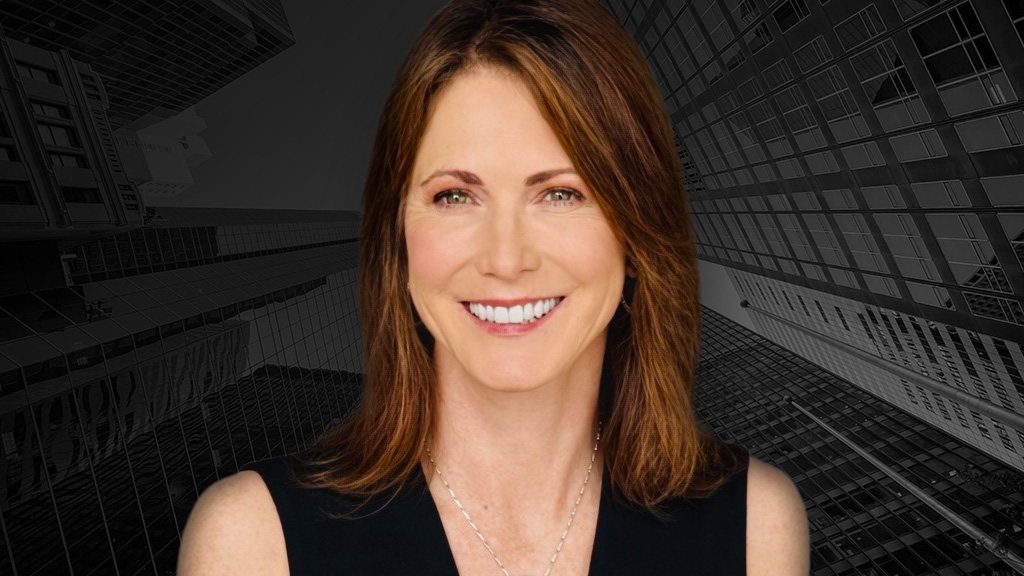
Ivy Zelman
EVP and Co-Founder of Zelman, a Walker & Dunlop Company
On the latest Walker Webcast, Willy was joined once again by one of the most respected voices in the industry, Walker & Dunlop’s Hall of Fame housing market analyst and executive vice president and co-founder of Zelman, Ivy Zelman.
On the latest Walker Webcast, Willy was joined once again by one of the most respected voices in the industry, Walker & Dunlop’s Hall of Fame housing market analyst and executive vice president and co-founder of Zelman, Ivy Zelman.
Willy and Ivy unpacked the latest developments shaping housing today, including outcomes from the World Economic Forum Annual Meeting in Davos, the move to pull institutional capital from single-family homes, the impact of immigration on the labor market, AI’s growing impact on the industry, Ivy’s macro outlook, how different markets are performing, and much more.
Watch or listen to the replay.
At a glance
1. Who is Ivy Zelman?
Ivy Zelman is the executive vice president and co-founder of Zelman, a Walker & Dunlop company, and a leading housing market analyst known for her data-driven research across single-family, multifamily, mortgage finance, and housing policy. Her work is widely followed by investors, builders, lenders, and policymakers for its accuracy, independence, and willingness to challenge consensus views.
She joined Walker & Dunlop through the acquisition of Zelman & Associates, expanding the firm’s research platform and bringing her long-standing housing expertise directly into the Walker Webcast ecosystem.
2. What are the top reasons to listen to this webcast?
- Clear context on housing affordability versus housing supply
Zelman explains why the U.S. does not have a housing shortage problem, but a pricing and affordability problem, especially for first-time buyers and renters trying to transition to ownership.
- Insight into policy risk and institutional capital
She walks through how recent political messaging around single-family rentals and buildt-to-rent is already impacting capital flows, lender behavior, and development decisions.
- A realistic outlook for 2026 and 2027 housing markets
From rent growth and absorption to regional divergence and margin pressure, Zelman outlines why the recovery will be uneven and slower than many expect.
3. What did Zelman take away from the Davos remarks on housing?
She describes how she saw more confirmation than a new plan. The message was essentially: protect existing homeowners from price declines, and do not force builders to flood the market. That leaves affordability as the unresolved problem.
4. Why haven’t recent efforts like MBS purchases and mortgage spread compression been enough to hold mortgage rates down?
Zelman explains that while actions such as mortgage-backed security purchases and spread compression can help at the margin, the long end of the Treasury curve ultimately drives mortgage rates. Rates briefly dipped, then rose again as the 10-year backed up, which limits how much any program can help on its own.
5. If ARMs are not the answer, what actually improves affordability?
Buyers want stability and predictability, which still means 30-year fixed mortgages. For affordability to move meaningfully, the long end needs to fall, not just short-term funding costs.
6. Who actually benefits if short-term rates fall faster than long-term rates?
Zelman highlights developers and transaction activity. AD&C financing and multifamily deals often price off shorter-duration debt, so lower short rates can help carry costs and deal math, even if it does not immediately unlock first-time homebuyers.
7. What is the practical impact of pushing institutional capital out of single-family rentals?
Her key takeaway is that uncertainty alone can freeze capital. Even with carve-outs for built-to-rent, Zelman described lenders stepping away quickly because they do not want to be anywhere near the policy risk.
8. What is Zelman's outlook for multifamily in 2026 and 2027?
She expects the recovery to be uneven. Many Sun Belt markets are still working through elevated supply and weaker demand, which keeps national rent growth below trend, even while a smaller set of coastal and Northeastern markets performs better.
9. What is making it so hard to deliver truly affordable new homes?
She identifies land and local costs. Impact fees, regulatory burdens, and minimum requirements add cost before a builder even breaks ground. Even when labor and materials are not the main inflation drivers, land and local friction keep the entry-level product tough to pencil.
10. What are Zelman's biggest “watch items” for the next 12 to 24 months?
She is focused on three key developments:
- Whether rent softness in multifamily and single-family rentals finally filters into CPI and creates room for rate cuts
- Whether the lock-in effect continues to fade as life events force moves, gradually improving existing supply
- How policy decisions around Fannie and Freddie, institutional ownership, and local development rules either ease or worsen affordability at the margin
Related Walker Webcasts
CRE Market Outlook: Risks & Opportunities with Aaron Appel, Kris Mikkelsen, & Ivy Zelman
Learn More
October 21, 2026
Real Estate
What’s Next for CRE? with Chris Lee
Learn More
September 30, 2026
Real Estate
Housing’s Next Chapter with Sean Dobson
Learn More
September 23, 2026
Real Estate
Insights
Check out the latest relevant content from W&D
News & Events
Find out what we're doing by regulary visiting our News & Events pages
