Read time:
3 mins
Student housing has stabilized, but that does not mean every market is moving in the same direction.
Value creation is becoming much more selective. The broad repricing appears to be behind us, and the market is increasingly rewarding assets backed by strong university demand, walkable locations, disciplined new supply, and clear operating strength.
At the same time, demand fundamentals remain intact. Pre-leasing reached 52.3 percent in January, ahead of the prior year’s pace, reinforcing that demand is not the issue, even as rent growth has normalized.
Southern flagship markets show relative strength
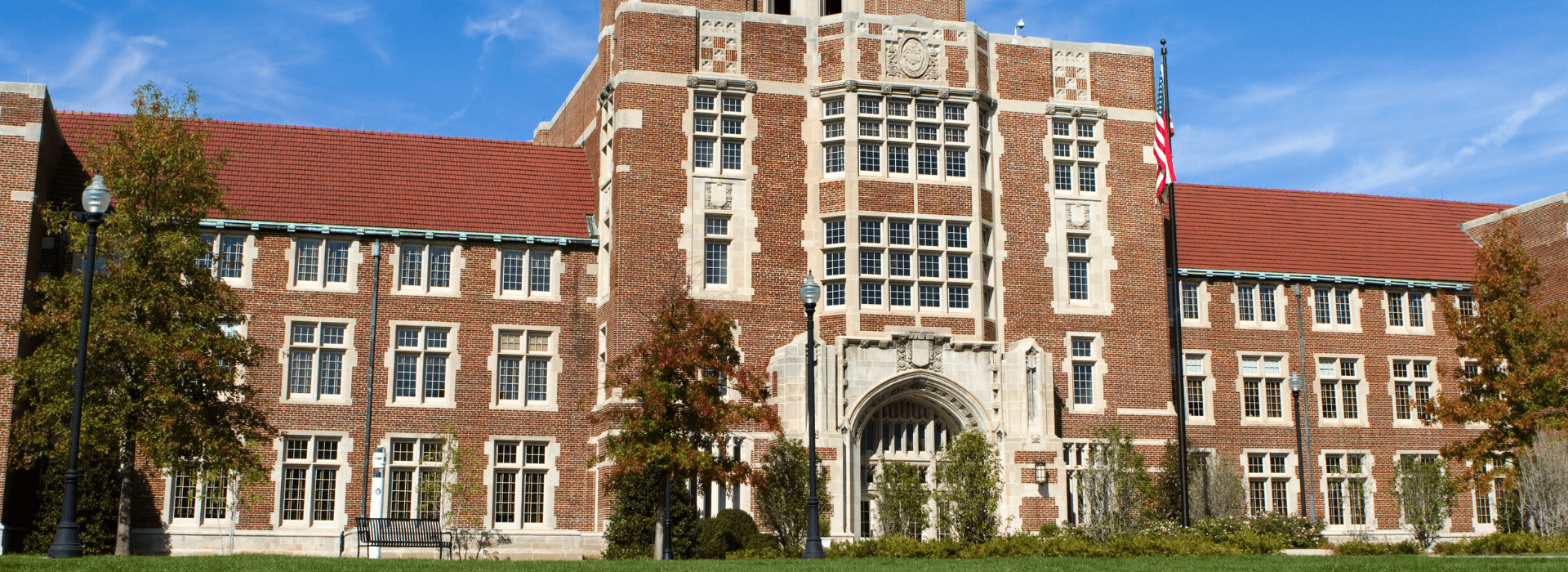
That trend is showing up in several Southern flagship university markets. Schools such as the University of South Carolina and the University of Tennessee, Knoxville continue to post indicators investors watch closely, including rising applications, record enrollment, strong retention, and healthy leasing momentum.
Growing demand and manageable supply can support stronger student housing performance.
Not all markets are positioned to benefit
Still, this isn’t a blanket story across Southern markets, and it doesn’t mean all student housing assets are positioned to move higher. The market is drawing sharper distinctions than it did a few years ago.
Soft performance consistently aligns with markets absorbing new deliveries. Markets with elevated pipelines are seeing slower lease-up and near-term rent pressure, while supply-constrained markets are maintaining pricing power and occupancy.
Asset quality and location are driving outcomes
The assets best positioned for upside tend to be those:
- Closest to campus
- Tied to large flagship universities
- Supported by strong pre-leasing
- Insulated from heavy competitive supply
Older assets, less differentiated locations, and properties in softer university markets may have a harder time gaining traction.
What this means for investors
That same divide is likely to shape what comes next. Any additional cap rate compression is likely to be limited and selective, with the strongest assets benefiting most.
Upcoming loan maturities may also create opportunities, though the pressure is more likely to fall on weaker properties than trigger a broad wave of distress. Large new developments can still work, but they increasingly require market depth and careful timing to avoid disrupting local fundamentals.
A more selective phase for student housing
The takeaway is straightforward: student housing has stabilized nationally, but value creation is becoming much more selective.
The market is rewarding proximity, quality, and certainty more than ever.
To discuss how these trends may affect investment strategy, financial reporting, or asset-level decision-making, reach out to our Apprise experts.
News & Events
Find out what we’re doing by regularly visiting our news & events page.
Walker Webcast
Gain insight on leadership, business, the economy, commercial real estate, and more.